

The Imports Reality: Why Supply Chain Deserves More Than an Afterthought
Australia imports most of its building materials, yet the domestic freight leg gets treated as an afterthought. Here's why that needs to change.
.png)
Look around the room you're sitting in right now. The screen you're reading this on. The chair underneath you. The light fitting above your head. The desk, the carpet tiles, the fire panel on the wall. There's a very good chance that most of it - or at least a critical component of it - started its life in another country.
Australia is a net importer of manufactured goods. That's not new. But it's one of those facts that hides in plain sight. We all know it on some level, but we rarely stop to think about what it actually means - especially when things are moving smoothly. It's only when something breaks that we suddenly remember how dependent we are on supply chains that stretch thousands of kilometres across oceans before a single product hits Australian soil.
I've been thinking about this a lot since attending Sydney Build Expo 2026 last week.
A Conference Full of Builders - and a Supply Chain Conversation Worth Having
Sydney Build is the country's biggest construction and design expo. Thousands of professionals, hundreds of exhibitors, and sessions covering everything from housing policy to AI in construction. Our team was there across both days - exhibiting, sitting in on sessions, and having conversations with people across the industry: manufacturers, suppliers and other freight businesses.
One session in particular stayed with me. It focused on international logistics and supply chain disruption as it relates to the construction sector. The speakers were sharp and didn't sugarcoat it. They talked about elevated freight rates that aren't coming back down anytime soon, a two-year lag effect between international disruption and domestic impact, structural labour pressures in Australia, and the reality that most construction logistics is outsourced to third party logistics service providers.
All of it resonated. But what really got me thinking was a simpler observation: the conversation about imported goods and supply chain exposure just isn't happening loudly enough in the sectors that depend on it most. We are focused on domestic housing supply and the geopolitics of material costs for componentry manufactured and imported from overseas, but not looking at the broader implications to global trade and what this means for Australia and the industrial sector across the value chain.
The Import Story Is Bigger Than People Realise
According to the ABS, Australia's construction industry contributes between 7-9% of the nation's GDP. The building materials market alone is valued at close to $27 billion and growing. Within that, the reliance on imported products is significant and structural - steel, copper, electrical systems, mechanical components, engineered timber, glass, fixtures, fittings. The list goes on.
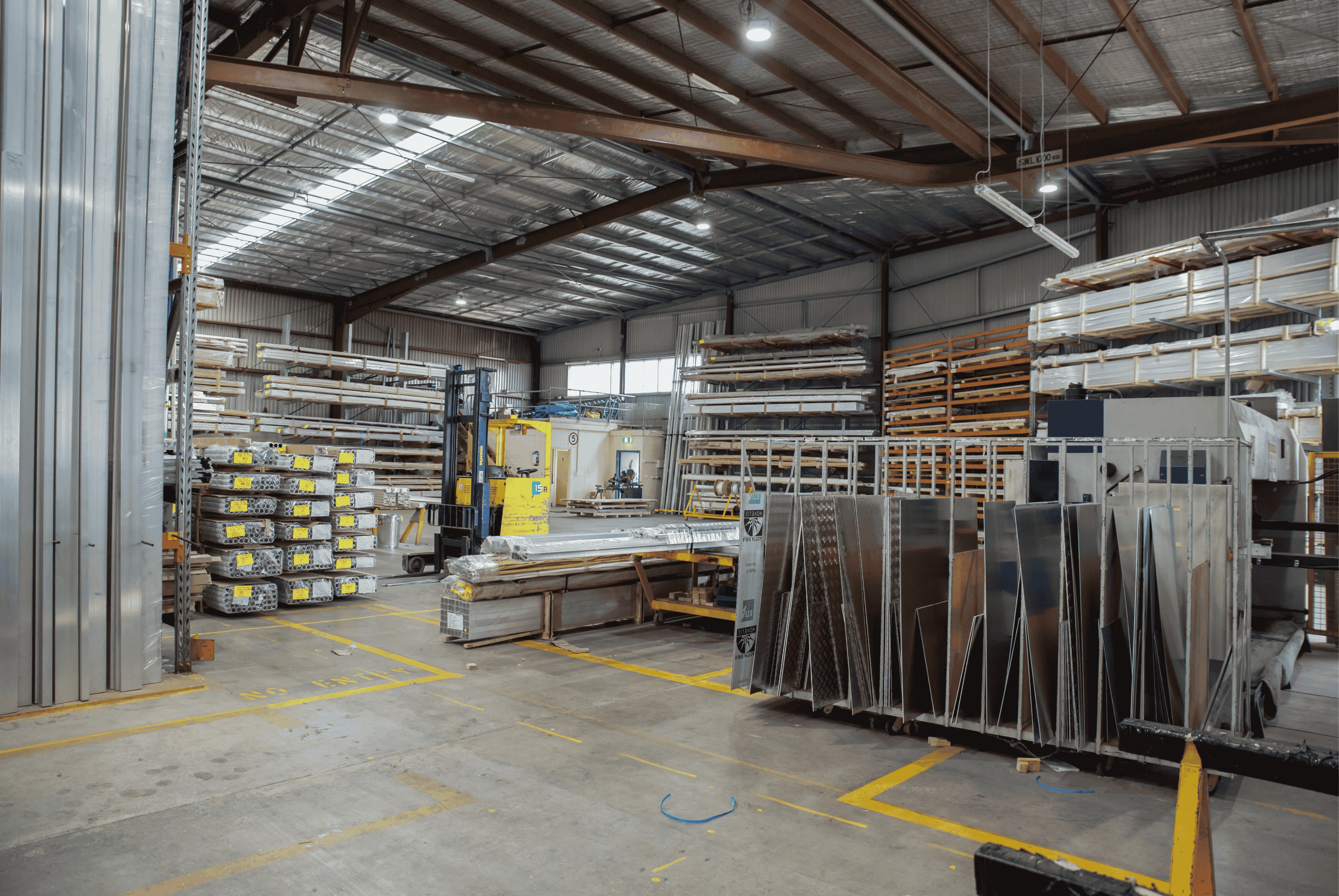
When you narrow the lens to industrial and commercial construction - warehouses, distribution centres, manufacturing facilities, data centres - the import dependency becomes even more concentrated. Fitting out a modern logistics facility is, whether anyone frames it this way or not, a global procurement exercise. The materials that make up the racking, the dock levellers, the automation, the fire suppression systems, the LED lighting, the roller doors - much of it originates overseas.
And it's not just construction. Think about the goods that flow through those buildings once they're operational. The pallets and cartons of retail stock, the FMCG products, the raw manufacturing inputs. Australia's imports of goods and services sit at roughly 22% of GDP (Trading Economics, 2026) . That's a significant share of economic activity that relies on products crossing a border, clearing a port, and being moved across the country.
The point is this: imports aren't a niche logistics topic. They're the foundation of how most physical industries in this country operate. And the supply chains that deliver them deserve far more strategic attention than they typically get. Upstream Problems Don't Stay Upstream
One of the strongest ideas that came through at Sydney Build was the connectivity between international disruption and local impact. It sounds obvious when you say it out loud, but in practice, the two are often treated as separate worlds.
A port delay in Southeast Asia due to congestion, weather or blank sailings. A container shortage out of North Asia. A carrier reallocation on a major trade lane. These things feel abstract when you're managing a project timeline in Western Sydney or coordinating a warehouse fit-out in Melbourne's west. But the lag effect is real - speakers at the conference referenced a roughly two-year window between international disruption and the full downstream impact on Australian construction and supply chains more broadly in terms of market dynamics. That means decisions being made overseas right now are already shaping the cost and availability of materials that will land on your site in 2028.
For businesses handling imported goods - whether you're the importer yourself or you're receiving those goods further down the chain - this has practical implications. Procurement timelines need to shift forward. Cost assumptions need stress-testing. And critically, the domestic freight leg that moves goods from port to warehouse to site needs to be treated with the same strategic seriousness as the international leg.
That last part is where things tend to fall apart. The ocean freight gets managed. The customs clearance gets handled. But the domestic movement - the bit that actually puts the product where it needs to be - often gets treated as an afterthought. And it's exactly where delays, cost blowouts, and service inconsistency tend to compound.
Visibility Is the Competitive Advantage
Another theme that ran through the conference was information and proper planning as risk mitigation. The idea that in a disrupted environment, the businesses that perform best are the ones with the clearest view of their supply chain, - not just internationally, but across the end to end supply chain from first, middle and last mile.
I see this every day at Ofload. The customers who handle disruption well aren't the ones with the biggest budgets or the most freight volume. They're the ones with visibility - real-time data on where their goods are, how their carriers are performing, and what their cost exposure looks like across their network. They make earlier decisions and a tune to market trends to anticipate disruptions and move fast when and where they need to. They absorb shocks without it derailing their operations. And they hold their freight partners accountable to measurable outcomes, not just promises.
For industrial and construction businesses, this kind of visibility is still the exception rather than the norm. Too many companies are still managing freight reactively - finding out about a problem after it's already impacted their timeline or their margin. In an environment where disruption is constant, rates are elevated, capacity is inconsistent, and labour is tight, that approach carries real risk.
This Is a Simple Idea - But It Matters
I'm not trying to overcomplicate this. The core message is straightforward: Australia imports a lot of products. The construction sector that depends on imports - needs to pay closer attention to the supply chains that deliver them. Not just the international leg, but the full end-to-end journey, including what happens once goods hit Australian soil.
The conversations at Sydney Build reinforced something I already believed: the gap isn't in awareness that supply chains matter. Most people get that. The gap is in how deeply that awareness translates into action - into procurement strategy, logistics service provider selection, data investment, and supply chain visibility.
At Ofload, we’re working with businesses across these sectors to close that gap. We provide freight solutions built on a national carrier network, real-time visibility, and data that helps businesses make better decisions about how their goods move. If you're moving imported goods domestically and you don't have a clear picture of your freight performance, cost trends, and carrier reliability - it's worth a conversation. Stay ahead of disruption and chat to our team.
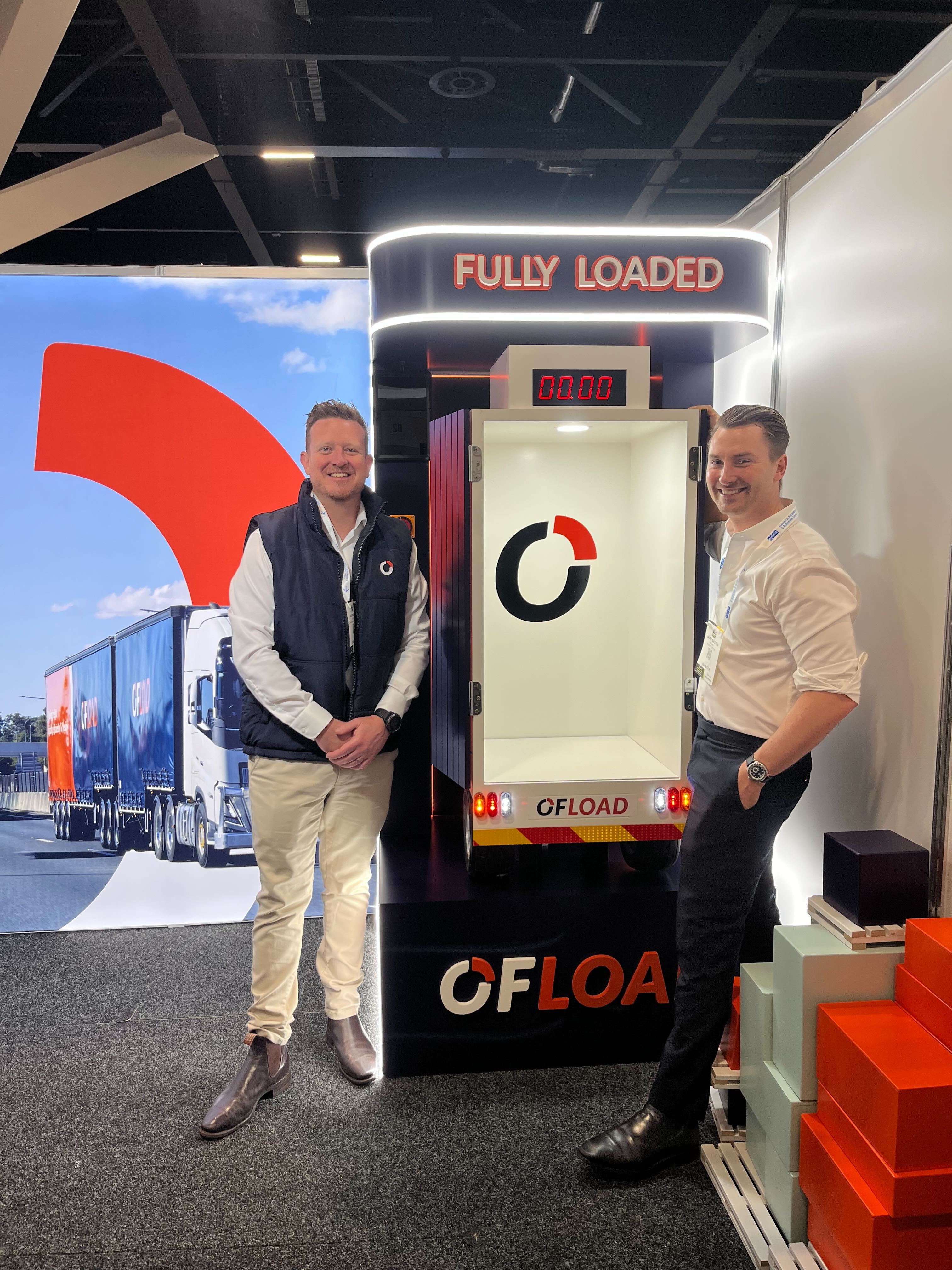
James Sheerin is the Sales Director at Ofload, Australia's tech-enabled freight platform. Ofload connects shippers with a vetted national carrier network, providing real-time visibility, data-driven freight management, and scalable solutions for businesses moving goods across Australia.