

When Fuel Prices Jump, the Whole Freight Network Feels the Shockwave
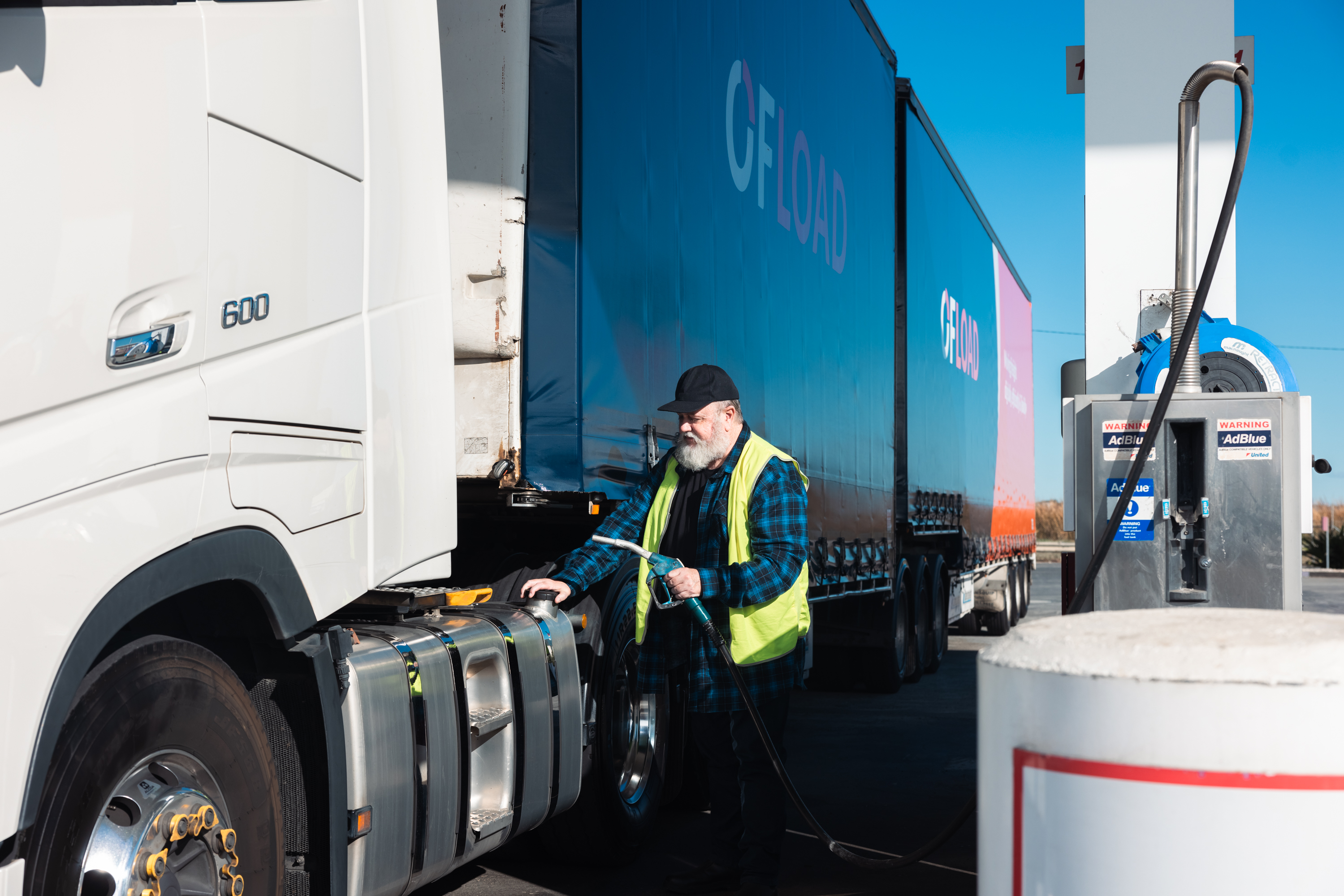
Last week, I had one of those reminders of how strangely connected our world really is.
Oil prices spiked after tensions flared in the Middle East. Within hours, headlines were full of predictions for airlines and global shipping.
But what hit me wasn't the price of oil itself. It was the fact that a geopolitical shift on the other side of the world can change the cost of moving goods across Australia overnight.
When energy prices move, freight feels it immediately. In a country as big as ours, freight is the quiet machinery keeping the entire economy upright.
The Exposed Backbone of Australia
Almost everything you touch (food, medicine, or the steel on a construction site) spent time on a truck. Road freight is our national lifeline, but it is also uniquely exposed to the whims of the energy market.
Diesel is one of the highest costs for a carrier. When prices surge, operators feel it instantly. Margins evaporate and planning becomes guesswork. Small inefficiencies that normally hide in the background suddenly become systemic drains on the bottom line:
- The cost of every empty kilometre.
- The friction of every missed backload.
- The ripple effect of every poorly timed pickup.
In a stable market, these are minor annoyances. In a volatile one, they are expensive threats to viability. Across thousands of loads a day, those costs ripple through the entire national network.
Why the Old Way is Breaking
For decades, the industry has relied on manual coordination: phone calls, spreadsheets, and reactive problem-solving. It worked when the world moved slowly. It doesn't work now.
When fuel swings or demand spikes, these manual systems don’t just creak; they fail. As leaders, we need to recognise that we don't need more people on the phone. We need a system of work. We need a digital infrastructure that replaces chaos with structure, visibility, and total predictability.
Technology as the Operating System
Technology should not be a bolt-on. It must be the operating system that keeps freight moving. A truly digital network does what a spreadsheet cannot: it matches the right load with the right carrier with surgical precision, eliminates empty running, and provides real-time visibility that allows operators to lead rather than follow.
When a network is coordinated, freight stops being reactive. When the next shock hits, a digital system adapts in seconds. A manual one struggles for weeks.
Aggressively Cutting Waste
The biggest opportunity in Australian logistics today is the aggressive elimination of waste. This means more than just saving fuel; it means removing the hidden friction that slows the entire system down.
Waste is everything from underutilised assets to fragmented communication and mismatched timing. When we use data to connect these dots, costs fall, reliability improves, and ultimately, the network becomes more resilient.
Empowering the People Who Move the Country
We need to change how the industry views carriers. For too long, they have been seen as "capacity." These are small businesses facing immense pressure from fuel volatility and rising overheads. They shouldn't have to navigate fuel rationing and price shocks alone.
Technology must be a tool for their success. In my view, the future of the industry depends on:
- Accelerated, predictable cash flow to keep wheels turning.
- Intelligent route planning that slashes unnecessary fuel burn.
- Consistent volume that lifts asset utilisation.
When carriers are healthy, the national network stays upright. When they are squeezed, the whole country feels the pinch.
Building a System That Withstands Shock
The future of freight is about building a smarter, connected network that reduces waste and supports the people who keep the country moving. Whether the next disruption is a fuel spike, a weather event, or a global shift, the divide is clear: Coordinated networks adapt. Fragmented ones struggle.
Keeping Australia moving is a national imperative. We must continue to build the technology and financial infrastructure to ensure our network is ready for whatever comes next.