

5 Takeaways from the Retail Supply Chain & Fulfilment Summit
The Ofload team attended the Forefront Events Retail Supply Chain & Fulfilment Summit in Melbourne. Here's what senior retail and FMCG supply chain leaders are grappling with right now - and what it means for how freight moves in Australia.
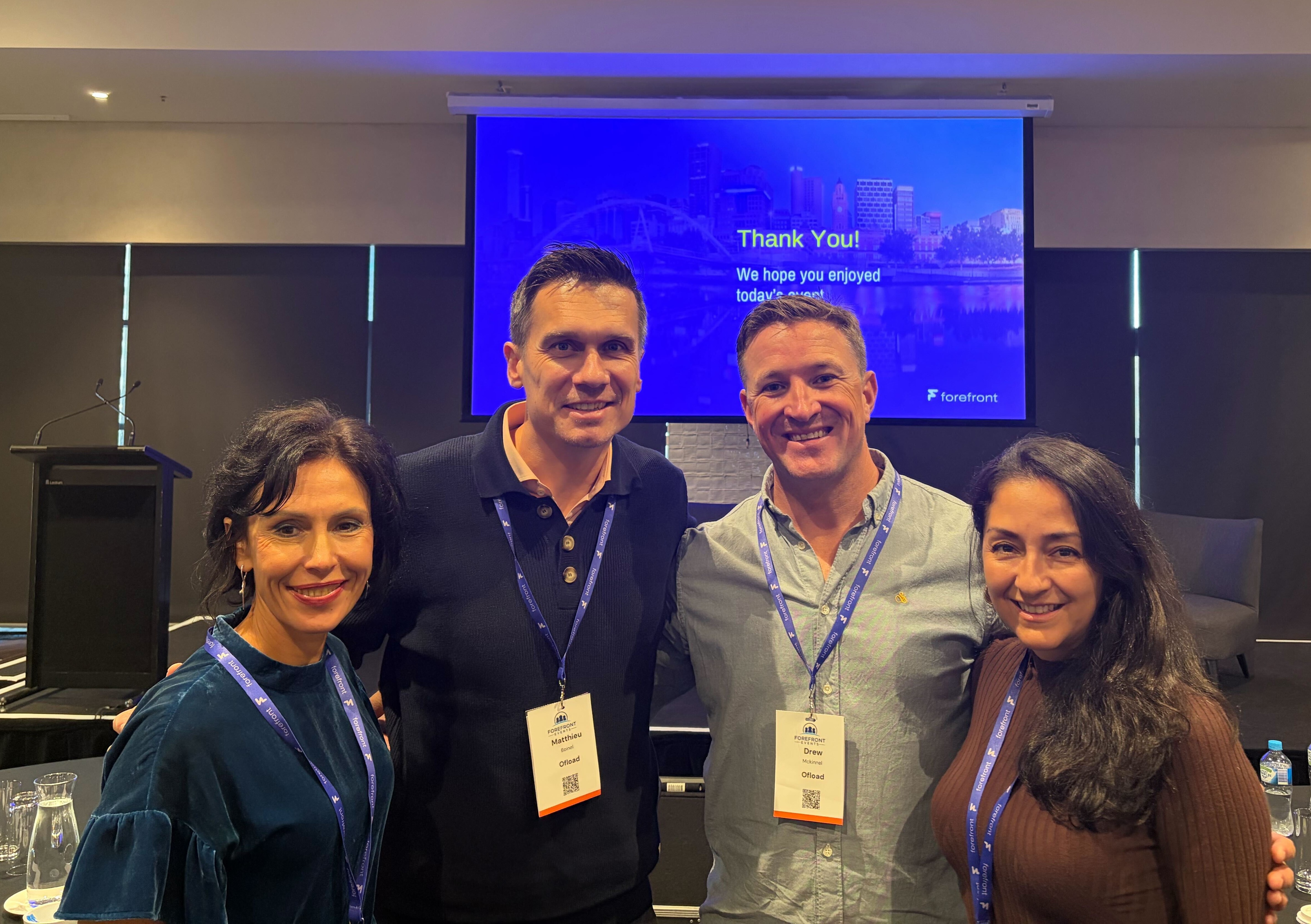
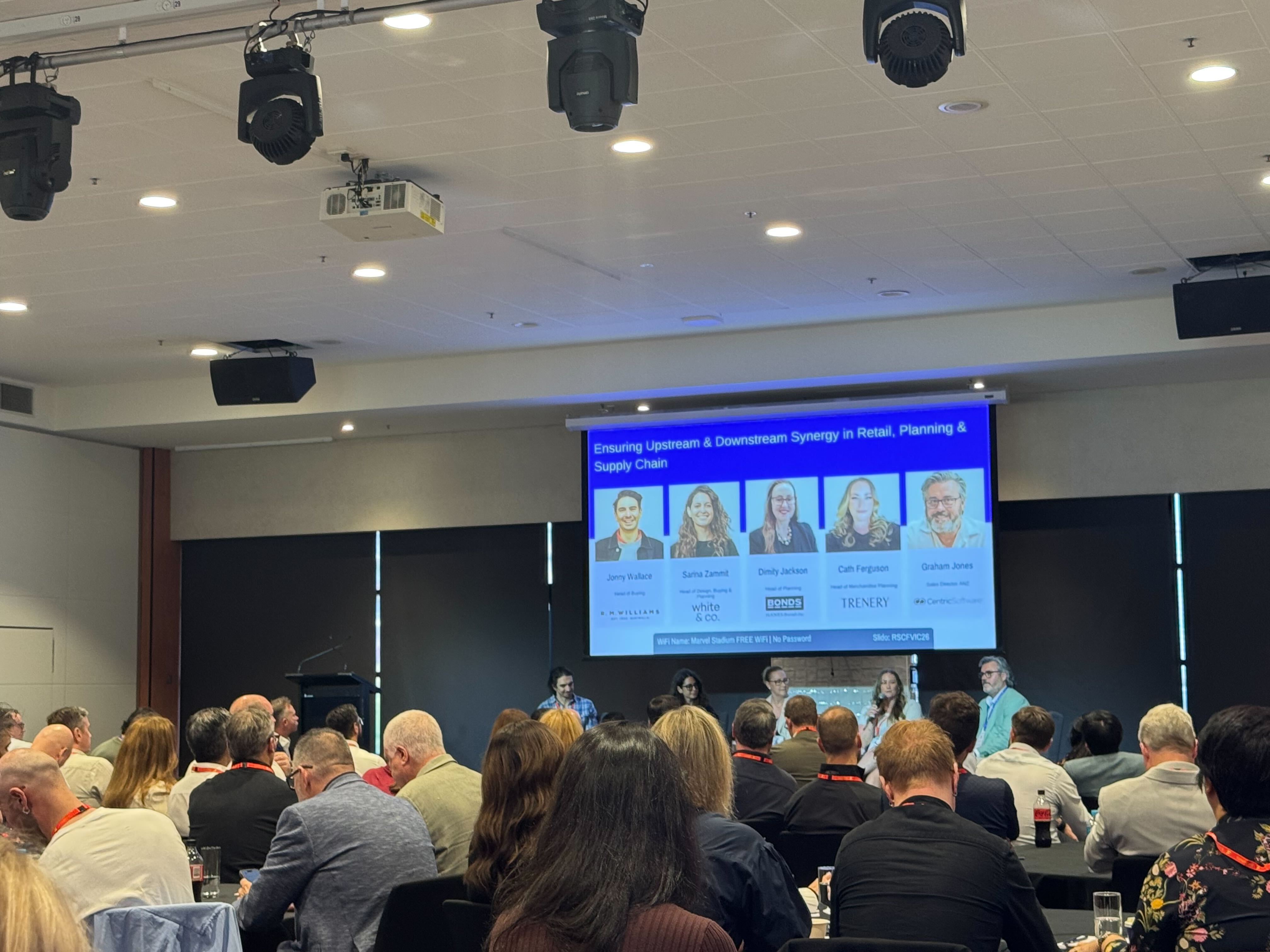
Building future supply chain resilience was the headline theme at this year's Retail Supply Chain & Fulfilment Summit in Melbourne. But beyond the agenda, it was the conversations between sessions - candid, practical, and often urgent - that gave the clearest picture of where the industry is heading.
Here are five themes that kept surfacing throughout the day.
1. Disruption is now the operating environment
The language in the room has shifted. Leaders aren't talking about how to respond to disruption anymore. They're talking about how to build organisations that absorb it as a matter of course.
Fuel volatility, geopolitical tension, and shifting trade routes have moved from being occasional shocks to permanent features of the supply chain landscape. The businesses navigating this well aren't optimising for one set of conditions - they're building flexibility into how they move goods. That means diversifying supplier relationships, staying open to different transport modes, and reviewing inventory strategies continuously rather than seasonally.
For freight and logistics teams, the practical implication is clear: supply chain decisions need to be made with resilience in mind, not just cost efficiency. The two don't have to be in conflict - but the balance has definitively shifted.
2. AI in the supply chain is past the proof-of-concept stage
The conversation around AI has matured significantly. What used to be largely aspirational is now operational. At this summit, leaders from major retailers shared real examples - automating the processing of shipping documentation, streamlining finance and reconciliation workflows, and reducing manual touchpoints across their operations.
The next frontier is forecasting and demand planning. Better demand prediction leads to smarter inventory positioning, fewer stockouts, and less waste across the network.
One moment from the day stood out. In a room of around 500 attendees, just under half raised their hand when asked whether their organisation had formally implemented AI - think company-wide licenses and structured rollouts. It was a striking snapshot of where the industry actually sits. For those who didn't raise their hand, it seemed to prompt a moment of reflection: where does our organisation stand, and what does the path forward look like?
The important caveat: adoption is accelerating, but it's controlled. Governance, data privacy, and compliance are front of mind. For businesses still in planning mode, the window to start building capability is narrowing - but getting the foundations right matters more than moving fast.
3. Retail freight models are diverging - and that matters for how you plan
There's a growing split in how retailers approach freight, and it has real implications for logistics planning.
On one side, many mid-market retailers are running carton and parcel-based networks, increasingly shaped by omni-channel fulfilment strategies. Some are moving toward store-led delivery models, where the distinction between warehouse and shopfront is blurring. On the other side, larger enterprises are managing complex palletised freight and full truckload operations, with formal procurement cycles and longer planning horizons.
Cutting across both models, there's a growing focus on store replenishment timing. Retailers are recognising that earlier delivery windows directly impact sales performance - reducing labour pressure, minimising shop floor disruption, and ensuring stock is available when customers are ready to buy. The definition of "on time" is shifting, and precise, earlier-in-day delivery windows are becoming just as important as next-day cut-offs.
These aren't just different scales of the same problem - they're different problems entirely. The freight partners, technology, and operational strategies that work for one don't necessarily translate to the other. Understanding which model applies to your business, and finding partners who genuinely understand the nuance, is increasingly important.
4. Freight capacity is a strategic priority, not just an operational one
Almost every conversation we had circled back to the same concern: reliable access to freight capacity.
Rising fuel costs are compressing carrier margins, which creates real pressure on availability - particularly during peak periods or when routes are disrupted. The businesses that have come through this environment well are the ones that invested in carrier relationships before they needed them. Deep, flexible networks don't get built quickly.
For shippers, this is a prompt to look beyond price when evaluating freight partners. Capacity security - knowing your goods will move when and how you need them to - has a real value that doesn't always show up in a rate comparison. Building that security takes time, and the earlier you start, the better positioned you'll be.
5. Fulfilment strategy is a customer experience decision
It's easy to think of supply chain decisions as purely operational. What the summit made clear is that those decisions show up directly in the customer experience - in delivery speed, product availability, and how a brand feels to interact with.
One session highlighted how a retailer's decision to rethink their in-store product presentation - reducing floor stock while keeping a wider range accessible behind the scenes - fundamentally changed how customers engaged with their brand. The supply chain and inventory strategy behind that shift was what made it possible.
The businesses leading in retail right now are treating freight and fulfilment as a source of competitive advantage. It's not just about moving goods efficiently - it's about enabling a better experience at every touchpoint.
What this means for Ofload - and the businesses we work with
Days like this reinforce why we built Ofload the way we did. The challenges that keep surfacing - securing capacity, building resilient networks, moving freight efficiently across a fragmented and fast-changing industry - are exactly the problems we show up to solve every day.
Ofload connects Australian retailers and FMCG businesses with a trusted national carrier network, giving shippers the flexibility and visibility they need to keep goods moving - even when conditions change. We work with businesses running everything from high-frequency parcel networks to complex full truckload operations, and we understand that no two supply chains are the same.
As the industry continues to evolve, our focus stays the same: removing waste, reducing emissions, and making freight smarter for the businesses and carriers who depend on it.
If any of these themes are real challenges in your business - whether that's securing freight capacity, building supply chain flexibility, or finding a freight partner who understands nuances in Retail and FMCG freight profiles - we’d love to talk. Get in touch with our team